
Table of Contents
I was a few months pregnant with my daughter when I saw my son sitting on his grandmother’s lap in the front seat of a moving car, his empty car seat still buckled in the back. He was almost two. I was driving my ex back to work after lunch, cutting through the grocery store parking lot, and there they were. My sister-in-law was driving.
That was the day I learned what it costs to be the grandmother your adult children trust, and what it looks like when that trust is gone for good.
I do not remember deciding to yell. I just remember doing it, right there in the lot, my stomach still dropping from what I’d seen, and then driving my son straight back to her house. My hands were shaking on the wheel the whole way. We stood there and exchanged words. I asked her if this had happened before. She said it hadn’t. I don’t think I believed her.
She didn’t see my son again for a couple of months, not until we sat down and talked the whole thing through. Those months were quiet in a way that felt heavier than any argument. I remember thinking that trust must be a strange kind of thing, invisible until the moment it’s gone, and then suddenly it’s all you can think about.
What that day taught me about being a grandmother your adult children trust
I got an answer that day. It didn’t change anything. An answer wasn’t going to hand the trust back to me. Trust like that doesn’t come back with a sentence.
I did not know, standing in that parking lot, that I was learning something I would carry into my own grandmothering thirty years later. But I was. Becoming the grandmother your adult children trust is not built on how much you love your grandchild. It is built on what you actually do when no one is checking.
For years I thought that lesson only applied to the big, obvious things. Car seats. Safety. The things you would report to a doctor if they went wrong. It took me a long time to understand it applies just as much to the small, quiet choices nobody else ever sees
The rule I hold myself to
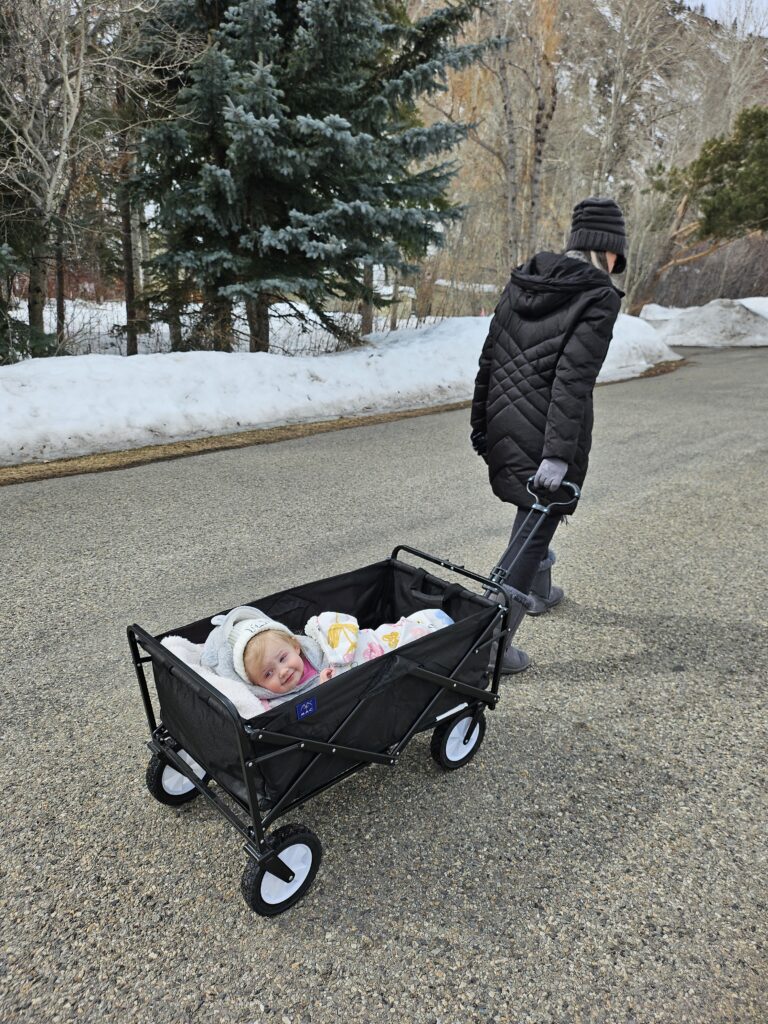
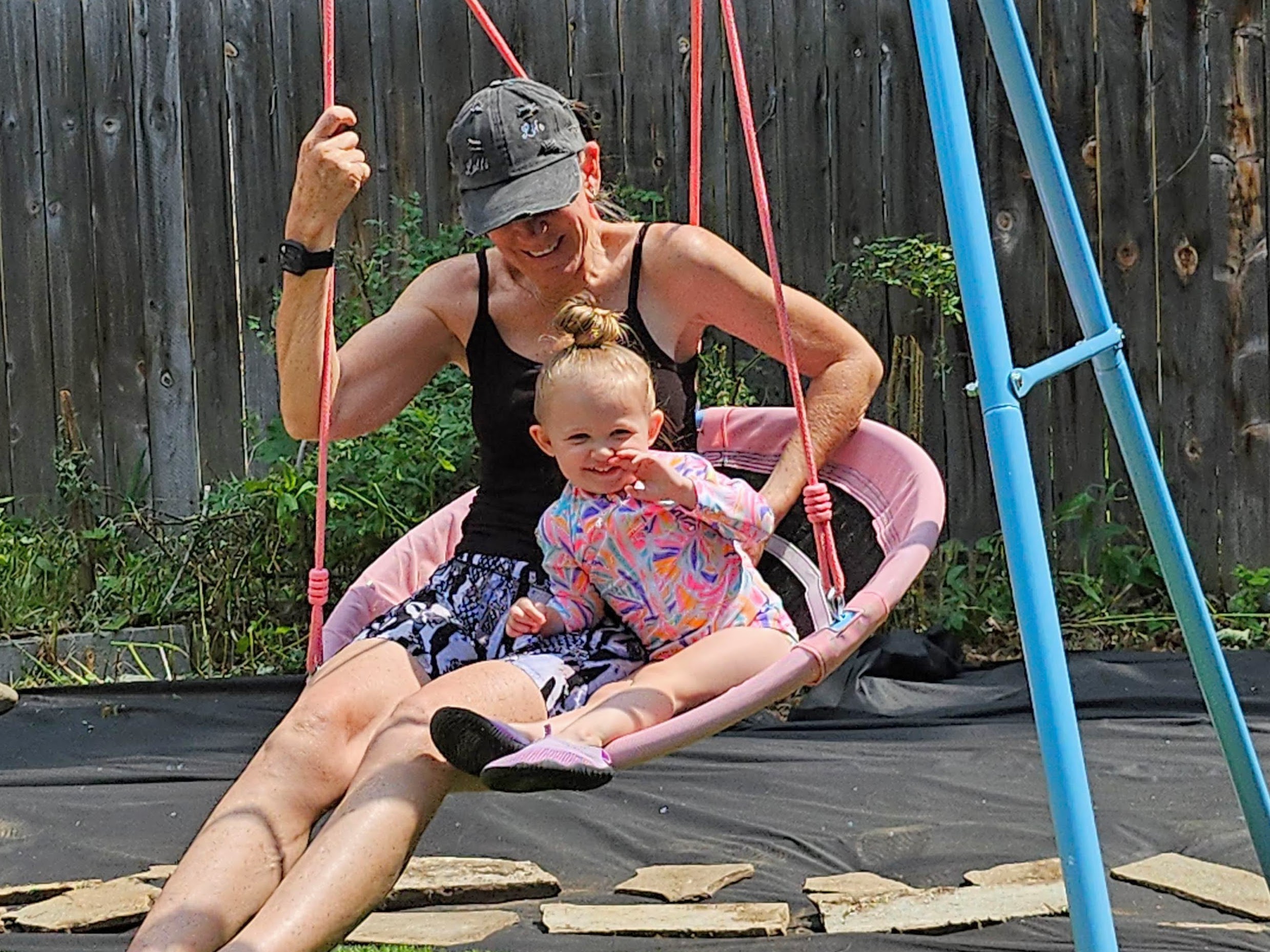
My granddaughter Madeline has stayed with me for stretches of a couple of weeks at a time since she was a baby. My daughter and son-in-law have never once made me feel like that was a risk, and I have worked to keep it that way, quietly, on purpose.
The rule is simple to say and harder to live by: I do not do anything with Madeline that I would not do in front of her parents. Not once, not when I am tired, not when it would be easier. I carry that standard with me even in the rooms they will never see.
The rule gets tested most on discipline. My daughter and son-in-law don’t discipline Madeline with their hands. Only with words. I did not raise my own children that way. I believe there are moments a swat does what talking cannot. But it is not my house and it is not my rule to make, so I don’t make it.
It shows up in smaller ways too. Screen time, bedtime, what she’s allowed to eat before dinner. None of those things feel like a test in the moment. They just feel like a Tuesday. But every one of those small Tuesdays is a chance to prove, again, that I am the kind of grandmother your adult children trust when nobody is watching, not just when they are.
The moment I almost broke my own rule

Madeline was two, reaching for something she should not have touched, something that could have hurt her. My hand moved before I thought about it. I wanted to give her hand a slap, the way I would have with my own kids.
I thought about my daughter instead. What she would think if she walked in and saw it. I used my words. I got Madeline’s attention on something else and steered her away from what she was reaching for. She is three now, and I have never told my daughter how close I came that day.
That is what earning trust actually looks like most of the time. Not a big gesture. A hand that stops itself.
What I’d tell a new grandmother
I would tell her to say her own parenting plan out loud, early, and make sure her kids are actually on board with it, not just quietly enduring it. I spent so many years thinking the only job was to respect their rules. I was half right. The other half is making sure they know mine, too, so nobody is guessing at what the other expects.
I would also tell her that trust doesn’t rebuild itself on its own timeline. It rebuilds on theirs. My mother-in-law wanted her relationship with my son back the moment she apologized. It didn’t work that way. It took months of small, boring, consistent proof before I trusted her with him again, and even then, I watched more closely than I ever had before. That, too, is part of what it means to be the grandmother your adult children trust. It isn’t only about earning it. It’s about knowing how to rebuild it when it breaks.
If I had said mine out loud, clearly, all those years ago, maybe the parking lot never happens. I don’t know. I still think about that sometimes.
I found out later that researchers who study grandparent-grandchild relationships have found trust in your adult child shapes the whole bond you get to have with your grandchild. I did not need a study for that. I learned it standing in a parking lot with my son on my hip.
Being the grandmother your adult children trust is not one big gesture. It is a hand that stops itself, over and over, until nobody has to wonder anymore.
Madeline calls me Lolli.