
Table of Contents
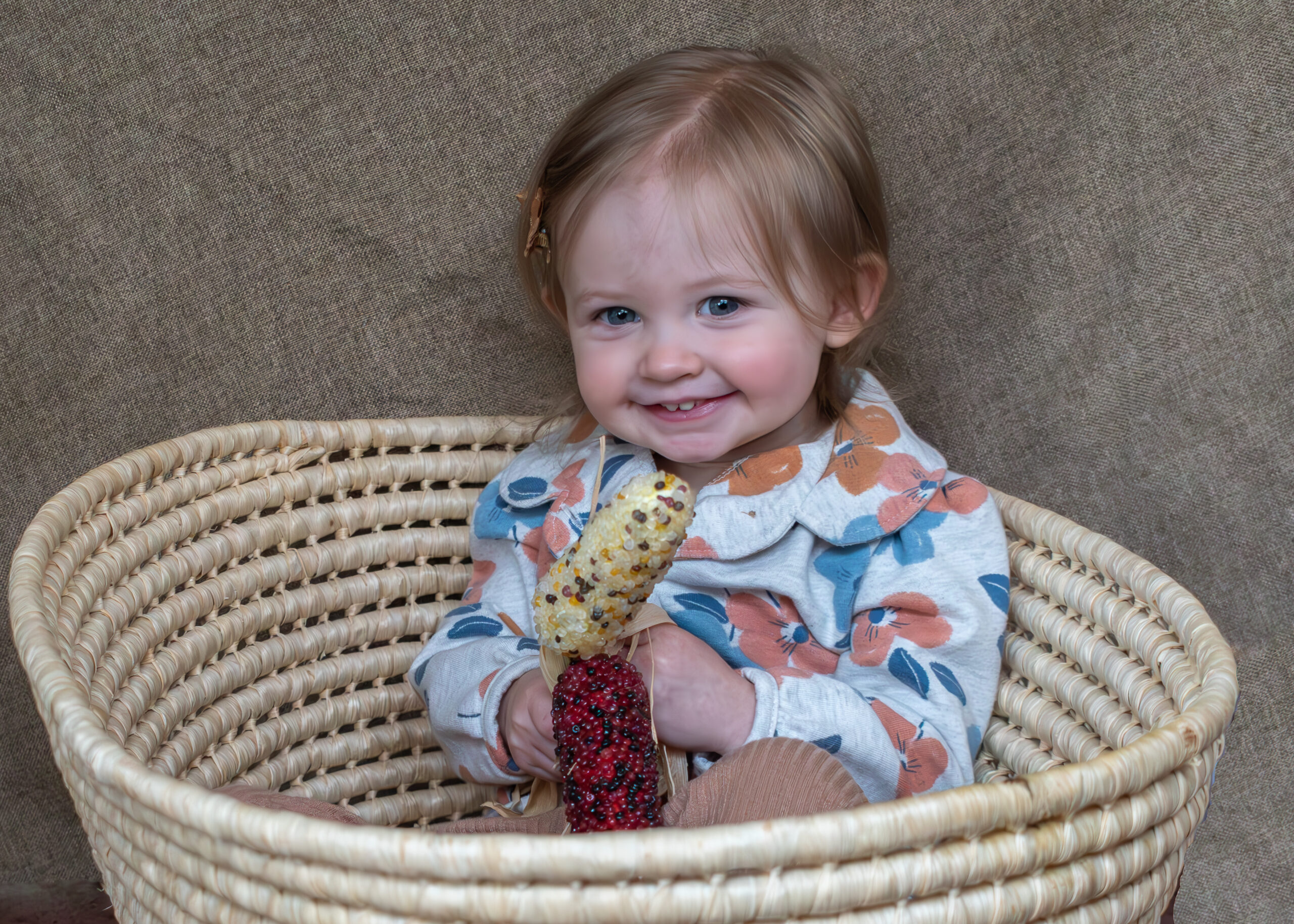
My daughter was still pregnant when I started thinking about the kind of grandmother I wanted to be. How I’d show up. What I wanted her to know me for.
And somewhere in the middle of all that, another question came in and sat down next to me. How many years do I actually get.
Nobody tells you that becoming a grandmother later in life comes with arithmetic.
The math of becoming a grandmother later in life
My mom was a grandmother at 39. I was 52.
She’s a great-grandmother now. She got a whole extra generation out of it. My chances of that are slim, and I’d done that figuring before my granddaughter was even born. I looked it up once, late, the way you do when you want a number to argue with. The average grandparent in this country is 68. It didn’t make me feel better and it didn’t make me feel worse. It just sat there being true.
That’s the math of becoming a grandmother later in life. Thirteen years of difference at the starting line, and you can feel exactly where thirteen years puts the finish.
I don’t know my number. I just know it’s smaller than hers.
The worry showed up before the baby did
Nothing had happened yet. My daughter was pregnant, everybody was fine, and I was busy planning who I wanted to be for this child.
The counting started in the same week. Same head, same time as the joy. I read later that grandparents report more love and more worry in the same hours. I didn’t need anybody to tell me that part.
That’s the part I didn’t expect about becoming a grandmother later in life. The two don’t take turns.
This is my last chance
I had a long run as a parent. I had a lot of influence on my kids, years of it, and whether I got it right or not, I had the time to keep trying.
This is different.
This is my last chance to have an impact. I want to do as much as I can while I can. I want to leave a piece of me behind. That’s what becoming a grandmother later in life does to a person. It turns ordinary days into decisions.
So I make things.
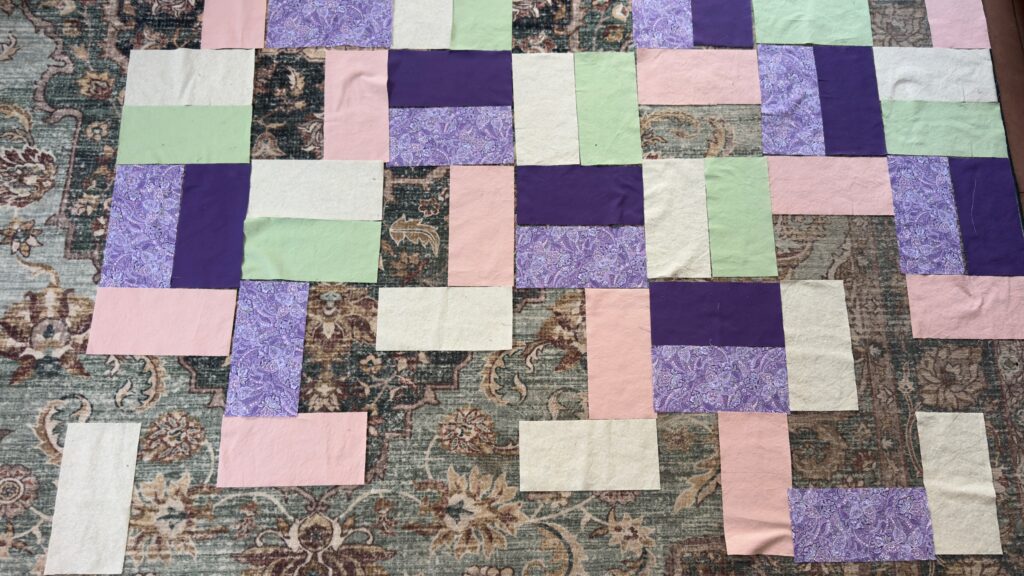
I’m making her a quilt. I wrote my autobiography, the whole thing, so there’s a version of me that doesn’t depend on somebody else remembering it right. I’m a photographer, so we do real shoots together. I keep her baby book. I made her an email address of her own, and every photo goes into her Google Photos account, sitting there waiting for her. She gets an ornament from me every Christmas. We do small crafts that turn into keepsakes without either of us calling them that.
And I keep a journal for her.
Not about her. As her.
I write it in her voice, like she’s the one telling the story of what she did. Some of it comes from the time she’s with me. Some of it comes from her mom, or from whoever else was in the room. I wanted her to have a different perspective when she reads it someday, instead of only hearing her grandmother describe her from the outside.
I put her own words in it too, exactly as she said them.
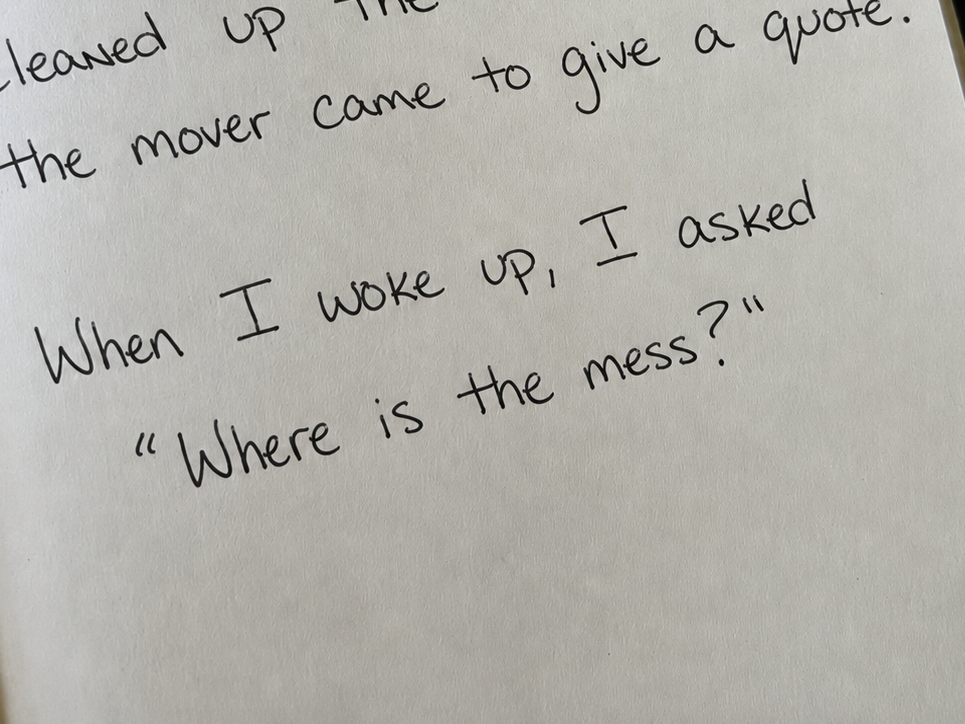
She woke up from a nap one afternoon, looked around, and said, “Where is the mess.” Her mom had cleaned the whole house while she was asleep.
That’s in there. In her words. Someday she gets to read herself.
The part I don’t love admitting
Some people probably think I do too much. I’ll own that. Becoming a grandmother later in life sped me up, and it shows.
I’m not going to argue with them. Anybody who knows me knows I go above and beyond on just about everything, and that was true long before there was a grandchild in it. I’m a busy body. It’s how I’m built. So I can’t sit here and tell you all of it is about the clock. Some of it is just me needing something to do.
But not all of it.
And I don’t want anybody reading this to picture a woman running herself into the ground. There are plenty of afternoons where I’m just on the floor with her. Nothing going on. No project.
Those count too. Maybe those count the most. I still don’t know.
I said it out loud
I said it to my husband. I said it to a couple of friends.
I’d had it in my head that this was a strange thing to admit. Morbid, maybe. The kind of thing you say and then watch somebody’s face change.
Nobody’s face changed.
My friends are grandparents too. They said they understood. Time is precious, they said, and I should do what makes me happy. My husband understood it his own way, not wanting me to over-exert myself, wanting me to enjoy it instead.
Not one person was surprised.
Now there’s a second one
My grandson is on the way, and I’ve been waiting to find out whether the arithmetic feels different for him.
It doesn’t. I’m only a few years older than I was the first time, so it’s easier to process.
What it does is make me aware. It brings the thoughts about time back up closer to the surface, the same way they came up while my daughter was pregnant the first time. Becoming a grandmother later in life isn’t something that happens once and then settles. It comes back around with each one.
If you’re doing the same arithmetic
Be honest about it. More people will understand than you think.
And if somebody doesn’t understand, that’s all right too. It might sit with them and come back around later. People who aren’t grandparents mostly can’t get there yet. They will if they ever get the chance. It’s one of those things that’s hard to explain from the outside.
There’s nothing wrong with talking honestly about how much time we have left as we get older.
Becoming a grandmother later in life put that conversation on my table earlier than I planned on having it. I’d rather have it early than not have it.
Talk to your friends who are grandparents. You’ve usually got more of the same feelings than you realize.
What I know
I didn’t solve it. The worry is still here.
Half of what’s hard about becoming a grandmother later in life is the arithmetic. The other half is thinking you’re the only one running it.
My grandson isn’t here yet.