
Table of Contents
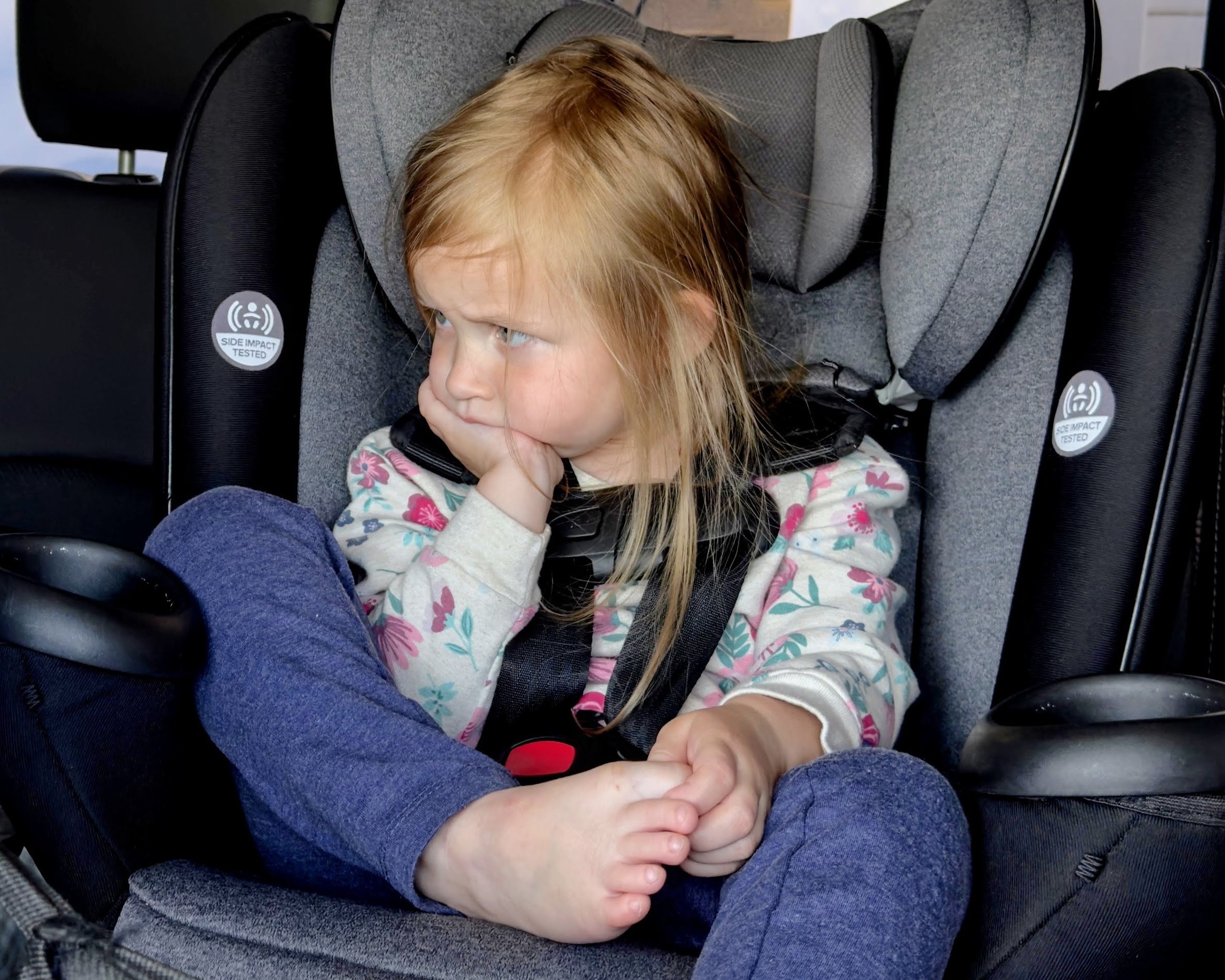
It started about a month before her third birthday. Something small, a cup, a sock, the wrong color plate, and she’d go from fine to flat on the floor in about four seconds. The first time it happened, I looked at my daughter like, ” What just happened here. My daughter just shrugged. Welcome to the threenager stage.
I’d heard the word before. I didn’t know it was going to move into my life.
What’s actually happening at this age
Three-year-olds aren’t trying to ruin your afternoon. They understand more than they can say, and they want more than they can do, and the part of them that would help them sit with that gap isn’t built yet. This is the age of asserting independence, of huge changes in how they think, learn, and feel, while the ability to manage any of it is still catching up. The CDC’s milestones for age three list things like talking in back-and-forth conversation and noticing when other kids want to play, right alongside the fact that calming down after something upsetting is still its own skill, one she’s only just learning.
Maybe so. It doesn’t make it easier to sit through. It just means I’m not doing anything wrong, and neither is she. I remind myself of that on the hard days, when it would be easy to take it personally.
I didn’t know the threenager stage would look like that, over something so small. I remember thinking, at two, that we’d made it past the hard part. She talked in full sentences by then. She could tell you what she wanted for breakfast, which shoes, which cup. I figured the words would be enough to skip the tantrums that come from not having the words. That’s not how it worked out. She has more words now, and she still can’t always get to them fast enough to beat the feeling.
The hardest meltdown I’ve been through with her
She was overtired. That was the whole cause. No fight, no big trigger, just a little girl who needed sleep and couldn’t find her way there. It went on over an hour.
I tried everything I know how. I talked to her. I stopped talking and just sat with her. I held her. I let go and gave her space. Nothing worked. Twenty minutes in, I thought we were close to the end. We weren’t. Forty minutes in, I started to doubt myself, wondering if there was something I was supposed to be doing that I wasn’t. There wasn’t. She was just tired past the point where any of us could reach her. She cried until her body gave out and she fell asleep still upset, still fighting it right up to the last second.
I don’t think I’d do it differently if I had to do it again. What I wish I’d known going in was how long it would take. There’s no way to know that ahead of time. You just sit in it with her until it’s over.
Nobody warned me the threenager stage would show up this fast, or hit this hard. But here we are.
There’s another one that still gets me, and it wasn’t about being tired at all. We were headed out for ice cream, two cars, and her uncle Cody was riding in the other one. She wanted him with her. She asked, then asked again, and when the answer stayed the same, the tears were different this time, not the wrung-out, overtired kind, just her wanting something and not getting it. He ended up riding with her in the end. Even after he climbed in next to her, it took her a full minute to catch her breath and wipe her face before she could get back to being excited about the ice cream.
Being the grandmother in the room, not the mom
I have to remind myself of that on purpose, the same way I’ve had to learn where the line sits between helping and overstepping as her grandmother in general. It would be easy to jump in with my own way of doing it…When it’s happening and I’m the one there, the first thing I feel is frustration. Right behind it, every time, is the same thought: I am not her mom. I have to remind myself of that on purpose. It would be easy to jump in with my own way of doing it, and I don’t think that’s my place.
Some meltdowns I can stay calm through from start to finish and talk her down. Others I can’t. It depends on how bad it is, and I haven’t found a formula yet. What my daughter and her husband do, and what I try to do too, is let her have the feeling. We talk to her through it, or let her go be alone on the couch or in her bed until she’s ready, and then we talk about what happened once she’s calm. She apologizes on her own sometimes. My daughter taught her to do that.
How long does the threenager stage actually last

I’ve asked myself this more than once, usually around minute forty of a meltdown. The CDC’s guidance on toddlers age two to three frames this whole stretch as a normal, expected part of growing up, not something gone wrong. From what I’ve read elsewhere, the roughest patch tends to run from around three to somewhere close to four, sometimes later, and the tantrums usually ease up before the rest of her catches up to them emotionally.
So there’s an end to it. It’s just not on a schedule any of us get to see ahead of time.
The sweet side of the threenager stage
Here’s the part nobody warns you about enough. She tells me she loves me all the time. She calls me her best friend. She says it to other people too; I know that, and it still gets me every time she says it to me.
She’s polite. She’s sweet. The same little girl who cried herself to sleep over a bedtime she didn’t want, then turned around twenty minutes later and handed me half her cracker because she wants me to have some. She says please without being told to. She says sorry on her own, sometimes, once the storm passes.
Those are the moments I hold on to on the days when the meltdowns win. I’ve started to notice I don’t dread the threenager stage the way I did during those first few weeks. I still don’t love the middle of a meltdown. But I’ve stopped bracing for it the way I used to, because I’ve watched enough of them end now to know they do end, and what’s usually waiting on the other side of one is her, back to herself, wanting to tell me something or hand me half of whatever she’s eating.
My honest advice to any grandmother facing this stage
If you’re just now watching the threenager stage arrive at your own house, here’s all I know: think before you react, and put on your patient pants. You’re going to need them for a while.
She’s my best friend.